Top Benefits of a Full Service Oil Change at Your Local Service Center
A comprehensive oil change at a local service center provides considerable benefits for vehicle maintenance. It ensures that worn-out oil is replaced with high-quality lubricants, boosting powertrain function. Service professionals perform essential inspections, detecting possible problems early. This preventive method can result in better fuel efficiency and decreased service fees. Recognizing these merits is essential for every car owner. Which additional considerations should a vehicle owner consider when maintaining their automobile's performance?
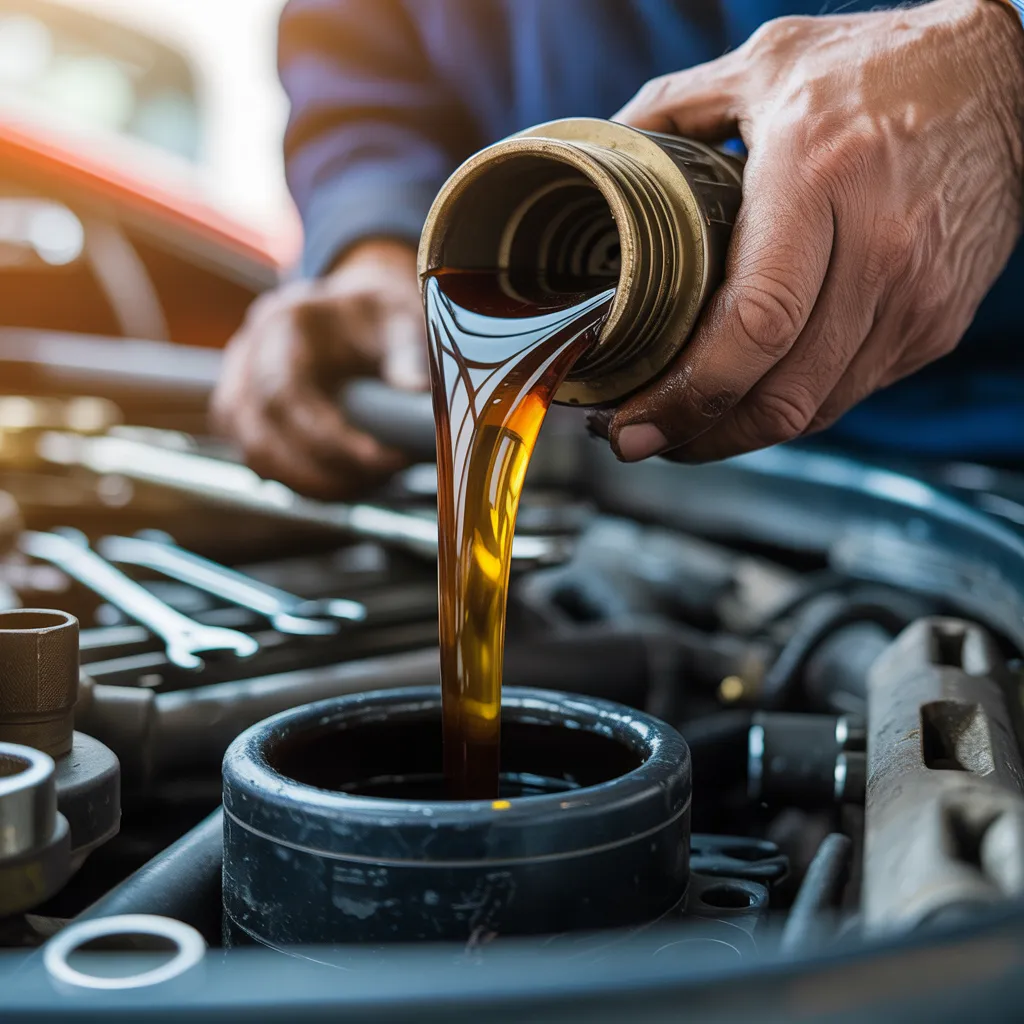
How Often Do You Need to Change Your Oil?
How frequently should vehicle owners change their oil? This query frequently comes up among automotive hobbyists and daily commuters alike. Generally, manufacturers recommend changing engine oil every 5,000 to 7,500 miles, although some modern vehicles can stretch this interval to 10,000 miles or more under specific conditions. Elements that affect how often you need an oil change include your driving patterns, local weather conditions, and the oil variety you choose. To illustrate, individuals who commonly deal with congested roadways or travel through severe temperature fluctuations may find themselves needing oil changes more regularly. Additionally, synthetic oils tend to provide better protection and can extend intervals between changes. Regularly checking the oil level and its overall quality is critical; oil that appears dark and contains grit is a clear sign that a change is overdue. Ultimately, adhering to a regular oil change schedule is essential for maintaining engine health, optimizing performance, and prolonging vehicle lifespan, making it a key aspect of responsible car ownership.
What Does a Full Service Oil Change Include?
A thorough full oil change generally includes a number of key elements designed to guarantee peak engine performance. Initially, the procedure includes draining the old engine oil, which is subsequently substituted with superior, factory-specified oil. The oil filter is also replaced to ensure that contaminants do not circulate within the engine.
In addition to these main duties, technicians frequently perform a comprehensive multi-point check, examining fluid levels, belts, and hoses for deterioration and damage. They will also examine the engine air filter and cabin air filter, replacing them if necessary.
Some auto shops provide added services, such as tire rotation, brake examination, and even a cleaning or vacuuming of the car's interior, elevating the overall upkeep of the vehicle. This thorough method not only supports engine performance but also supports the longevity of other essential systems within the car.
How a Complete Oil Change Service Enhances Fuel Efficiency
A comprehensive oil change substantially boosts fuel efficiency by ensuring proper oil viscosity, which enables smoother engine operation. Additionally, consistent servicing helps maintain engine cleanliness, reducing the buildup of harmful deposits. Moreover, lower friction levels between engine components lead to improved overall performance and fuel economy.
Perfect Oil Viscosity
Perfect oil viscosity plays a significant part in improving fuel efficiency. When a vehicle's engine runs on the correct oil viscosity, it delivers superior lubrication and decreases friction between moving parts. This efficiency lowers the energy necessary to overcome resistance, allowing the engine to function smoothly and effectively. A comprehensive oil change not only replaces old oil with the suitable viscosity grade but also helps identify any potential issues influencing performance. By preserving the recommended oil viscosity, drivers can experience improved fuel economy, as the engine no longer needs to work as hard. As a result, a regular complete oil service can play a major role in long-term savings at the pump, benefiting both the wallet complete guide and the environment.
Engine Cleaning Upkeep
Frequent oil changes considerably boost engine cleanliness, which is vital for preserving peak fuel efficiency. Over time, engine oil gathers contaminants, including dirt, debris, and combustion byproducts. These impurities can produce sludge that hinders oil flow and compromises the engine's performance. By choosing a full service oil change, vehicle owners guarantee that old, contaminated oil is replaced with fresh, high-quality oil, promoting a cleaner engine environment. A clean engine functions more efficiently, allowing fuel to combust more efficiently. This improved combustion process not only amplifies energy output but also contributes to better mileage. As a result, regular maintenance promotes engine longevity, minimizes the likelihood of costly repairs, and delivers a smoother driving experience overall.
Decreased Friction Levels
A key advantage of a comprehensive oil change is the reduction of friction levels within the engine. Clean, high-quality oil properly lubricates engine components, limiting wear and tear. This lubrication allows parts to move smoothly against one another, reducing resistance and enhancing performance. As friction decreases, the engine functions more efficiently, which directly affects fuel efficiency. Research suggests that engines with ideal lubrication can attain improved fuel economy, translating to cost savings for drivers. Regular oil changes help maintain these low friction levels, making sure the engine operates at optimal efficiency. As a result, scheduling a complete oil change service not only extends engine lifespan but also supports better fuel efficiency, making it a wise choice for vehicle owners.
Why Getting Professional Oil Changes Is Essential
Professional oil change services play a vital role in maintaining a vehicle's performance and longevity. When performed by trained technicians, these services guarantee that the proper type and quantity of oil is applied, customized to the unique needs of each vehicle. This precision helps optimize engine function and enhances fuel efficiency.
In addition, professional oil change services typically feature complementary services, such as inspecting filters and fluid levels, which can uncover potential concerns before they become serious. This proactive approach minimizes the risk of expensive repairs in the future. Moreover, a maintenance record from a reliable service center can be beneficial for future resale value, as it shows a consistent focus on vehicle maintenance.
How Frequent Oil Changes Can Help Your Vehicle Last Longer
Consistent oil changes serve a critical function in enhancing engine performance and ensuring ideal fuel efficiency. By reducing wear and tear on engine components, these regular maintenance procedures greatly enhance the durability of a vehicle. This proactive maintenance not only protects the engine but also improves overall driving experience.
Improved Engine Performance
The key to optimal engine performance lies in regular oil change intervals, which play an essential role in prolonging a vehicle's lifespan. Routine oil changes ensure that your engine operates efficiently by stopping the accumulation of damaging deposits and sludge. New oil effectively lubricates engine components, minimizing friction and component wear. Proper lubrication is vital for maintaining peak engine function, facilitating more efficient operation in a variety of driving situations. Moreover, prompt oil changes contribute to sustaining appropriate engine temperatures, avoiding overheating and the risk of engine damage. By investing in regular oil changes, vehicle owners can enhance engine performance, contributing to a smoother and more responsive time behind the wheel. Ultimately, this routine not only increases the longevity of the vehicle but also improves overall satisfaction on the road.
Enhanced Fuel Economy
Regular oil changes do more than improve engine performance as they also significantly affect fuel efficiency. Regular oil changes guarantee that the engine is lubricated with clean, high-quality oil, which reduces friction among moving parts. Such superior lubrication permits the engine to function more seamlessly, needing less energy to keep up its performance levels. Therefore, vehicles enjoy enhanced fuel efficiency, permitting drivers to extend their range on each gallon of fuel. Furthermore, new oil assists in regulating the engine's temperature, avoiding overheating and ensuring effective combustion. By prioritizing oil changes, vehicle owners can avoid unnecessary strain on the engine and promote more economical driving. In the end, this routine leads to an extended vehicle lifespan and lower fuel expenses over time.
Decreased Wear And Tear
Regular oil changes substantially decrease stress on a vehicle's engine. New oil preserves maximum lubrication, shielding engine components from heat buildup and friction. Over time, old oil can become contaminated with debris and dirt, leading to increased friction and potential damage. Consistent oil changes confirm that the engine runs efficiently, lowering the likelihood of costly repairs in the future. Additionally, a thoroughly lubricated engine undergoes less strain, which can considerably increase its longevity. Scheduled maintenance, including oil changes, also permits technicians to discover potential issues early, continuously preserving the vehicle. Ultimately, scheduling regular oil changes is a straightforward approach to sustaining a vehicle's performance, enhancing its durability and reliability for years to come.
How Oil Changes Save You Money
Consistent oil changes can considerably decrease long-term vehicle maintenance costs. By ensuring that the engine runs smoothly with clean oil, vehicle owners can protect against major concerns like sludge buildup and overheating. Such issues can result in expensive repairs or complete engine failure, which are considerably more than the reasonable expense of scheduled oil changes.
Furthermore, maintaining ideal engine performance through routine oil changes can boost fuel economy. A thoroughly lubricated engine performs more efficiently, resulting in savings at the gas pump over time. In addition, some manufacturers require proof of regular oil changes to copyright warranty coverage, safeguarding owners from unforeseen repair costs.
Opting for a complete oil change not only enhances vehicle longevity but also decreases the risk of unforeseen mechanical failures. Consequently, regular oil changes act as a proactive maintenance step, helping you save money while guaranteeing a dependable driving experience.
Understanding When to Plan Your Next Full Oil Change Service
When should vehicle owners consider scheduling their next full service oil change? Typically, experts suggest every 3,000 to 7,500 miles, depending on the vehicle's make and model, as well as the type of oil used. Regularly checking the vehicle's oil level and quality is vital; should the oil look dark or gritty, this could signal that a change is needed ahead of schedule. In addition, drivers should monitor their vehicle's overall performance. Odd noises, lower fuel economy, or illuminated dashboard lights may be signs that an oil change is overdue. Seasonal changes can also impact the timing; for instance, harsh winters can necessitate more frequent changes. Ultimately, referring to the owner's manual offers vehicle-specific recommendations that help maintain optimal performance and extend the vehicle's lifespan. Regularly scheduling oil changes is a proactive measure to maintain engine health and avoid costly repairs down the line.
Questions We Often Receive
Are Other Services Available During a Full Service Oil Change?
Absolutely, many automotive centers offer additional services during a full service oil change. These can include rotating your tires, fluid system checks, and air filter replacements, providing a convenient opportunity for complete automotive maintenance in one visit.
What Type of Oil Does a Full Service Oil Change Use?
Generally, a comprehensive oil change uses either conventional, semi-synthetic, or full synthetic oil. The option chosen is determined by the vehicle's requirements and the customer's preferences, maintaining peak performance and engine protection while driving.
What Is the Duration of a Full Service Oil Change?
A complete oil change typically takes between half an hour to an hour, depending on the shop's efficiency and additional services requested. Variables including vehicle type and oil choice can additionally impact the total time.
Do I Need to Schedule an Appointment for a Full Service Oil Change?
An appointment for a full service oil change is typically recommended, so the service center can efficiently accommodate your vehicle. However, many locations also accept walk-ins, providing flexibility for those with immediate needs.
Are Full Service Oil Changes More Expensive Than Standard Oil Changes?
Comprehensive oil changes are generally more expensive than basic oil changes due to the additional services included, such as filter replacements and fluid inspections. This increased cost demonstrates the complete maintenance performed on automotive upkeep.